Emirati Coffee
The History of Arabic Coffee and the Art of Emirati Coffee Preparation
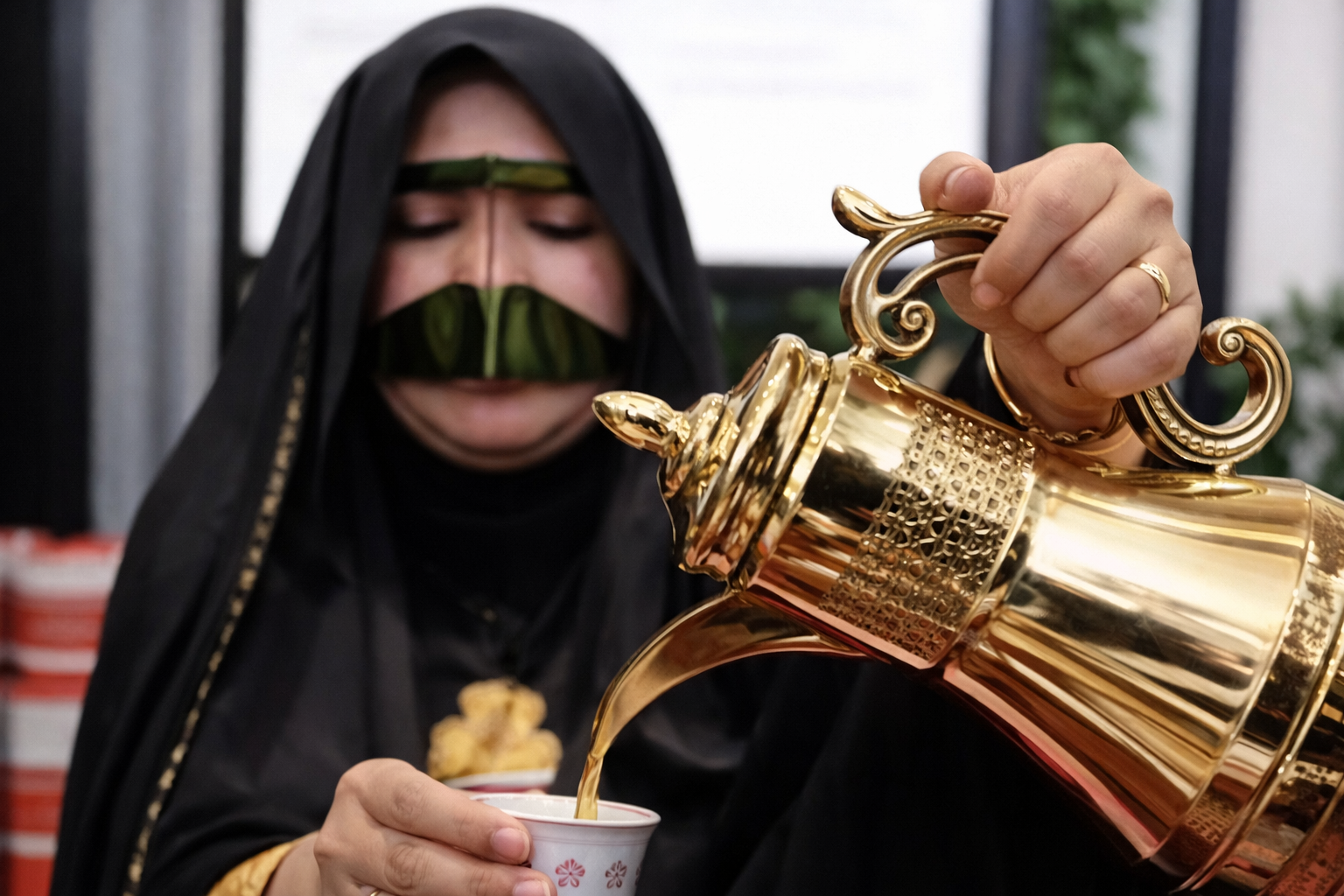
Arabic coffee is more than a beverage—it is a symbol of hospitality, generosity, and social connection across the Arab world. In the United Arab Emirates, coffee holds a special place in daily life and cultural traditions, representing welcome, respect, and shared moments.
The Origins of Arabic Coffee
The story of coffee begins centuries ago in the Arabian Peninsula and East Africa, where coffee beans were first cultivated and traded. From early on, coffee spread across the Arab world, becoming deeply embedded in social and cultural practices.
Coffeehouses emerged as important gathering spaces where people met to exchange stories, ideas, and news. Over time, Arabic coffee evolved into a ritual closely tied to hospitality—served to guests as a sign of honor and goodwill.
Coffee in Emirati Culture
In Emirati society, offering coffee is one of the first gestures of welcome. A guest entering a home or majlis is traditionally greeted with a cup of coffee, signaling openness, respect, and generosity. Refusing coffee is uncommon, as it represents rejecting the host’s hospitality.
The preparation and serving of coffee follow traditions passed down through generations, reinforcing values of patience, care, and attentiveness to others.
Ingredients of Emirati Coffee (Gahwa)
Emirati coffee is known for its dark color and aromatic flavor. The main ingredients include:
- Heavily roasted coffee beans
- Water
- Cardamom (essential)
- Optional spices such as saffron or cloves
These ingredients create a delicate, fragrant coffee that is gentle and welcoming in taste.
How Emirati Coffee Is Prepared
- Coffee beans are heavily roasted until dark brown.
- The beans are finely ground or lightly crushed.
- 500 ml of water is brought to a boil.
- 10 gm of coffee is added and simmered gently.
- 3-5 pieces of crushed cardamom & 4 strings of saffron are added in to a traditional dallah (coffee pot).
- The coffee is strained and poured into a traditional dallah.
The process is unhurried, reflecting the importance of intention and care in hosting.
Serving Etiquette
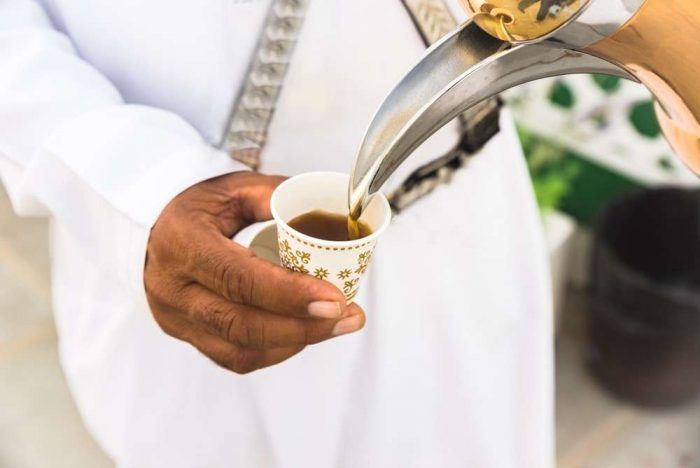
Emirati coffee is served in small cups without handles and poured from the dallah by the host. It is traditionally served:
- From the right side
- Using the right hand
- In small quantities, allowing refills
Gently shaking the cup indicates that the guest has had enough.
Coffee and Dates
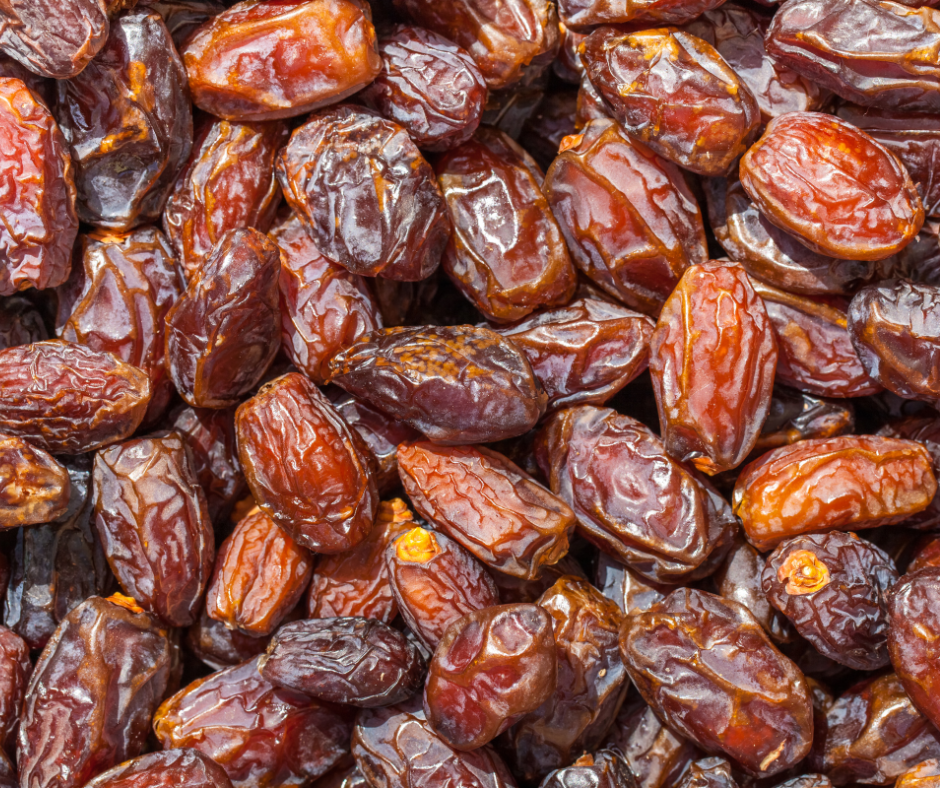
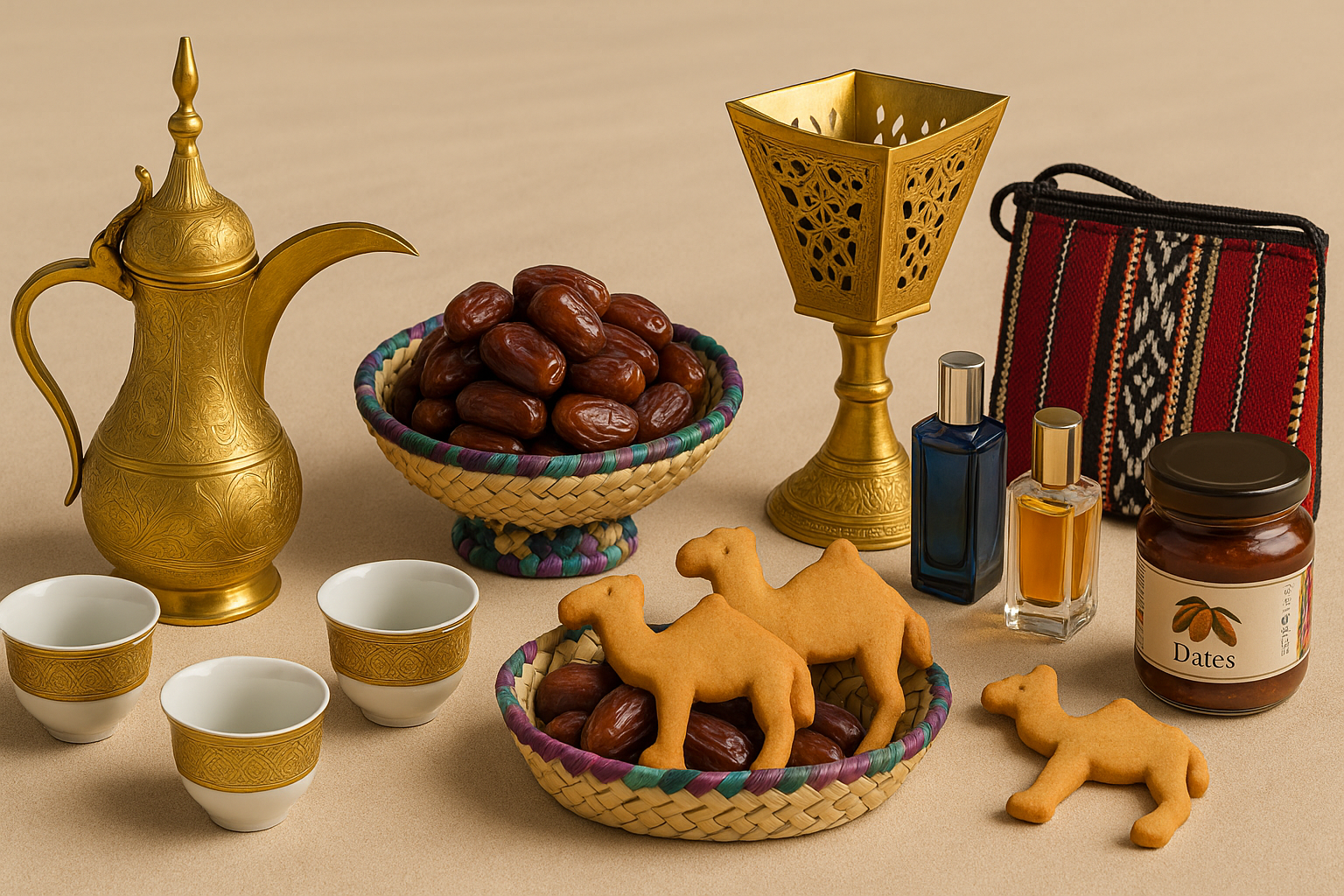
In Emirati culture, coffee and dates are inseparable—together they represent generosity, balance, and welcome. Dates, long valued for their nutritional and cultural importance (you can read more about their history and significance [here]), naturally accompany Arabic coffee in social settings.
Served side by side, coffee and dates are shared during social visits, family gatherings, and special occasions. Through this pairing, conversations flow, relationships are strengthened, and a deep sense of belonging is created—turning every gathering into a meaningful shared moment.
A Living Tradition
Today, Emirati coffee remains a living tradition—bridging the past and present. Whether served in a family home, at a cultural gathering, or during a formal occasion, it continues to communicate a simple yet powerful message: you are welcome here.
Share